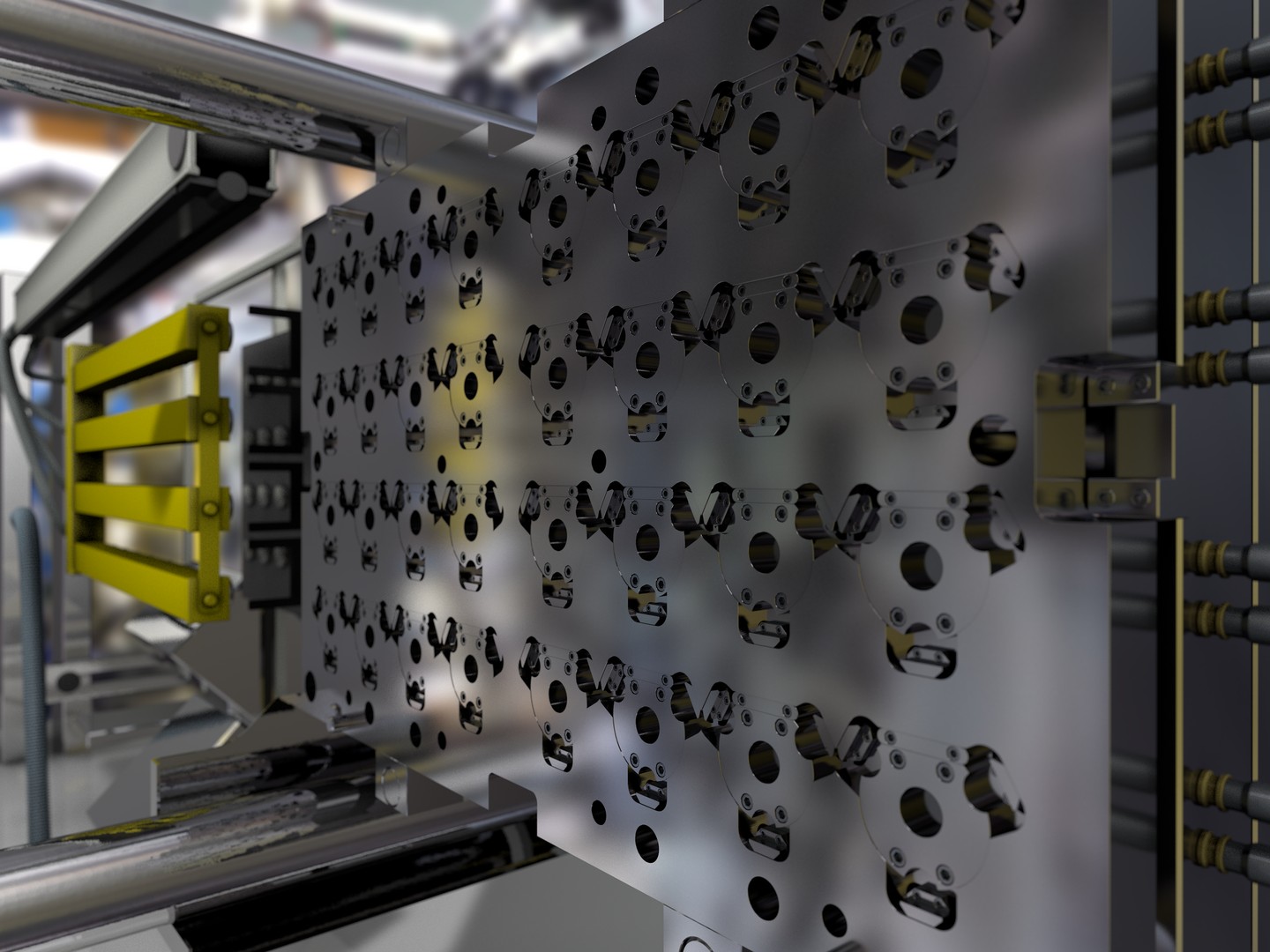
In-Mold Pressure Sensors
Superior process efficiency in plastic injection molding
- Improved part quality
- Quality monitoring in the injection process
- Detachable version for greater flexibility
- Every standard type is available
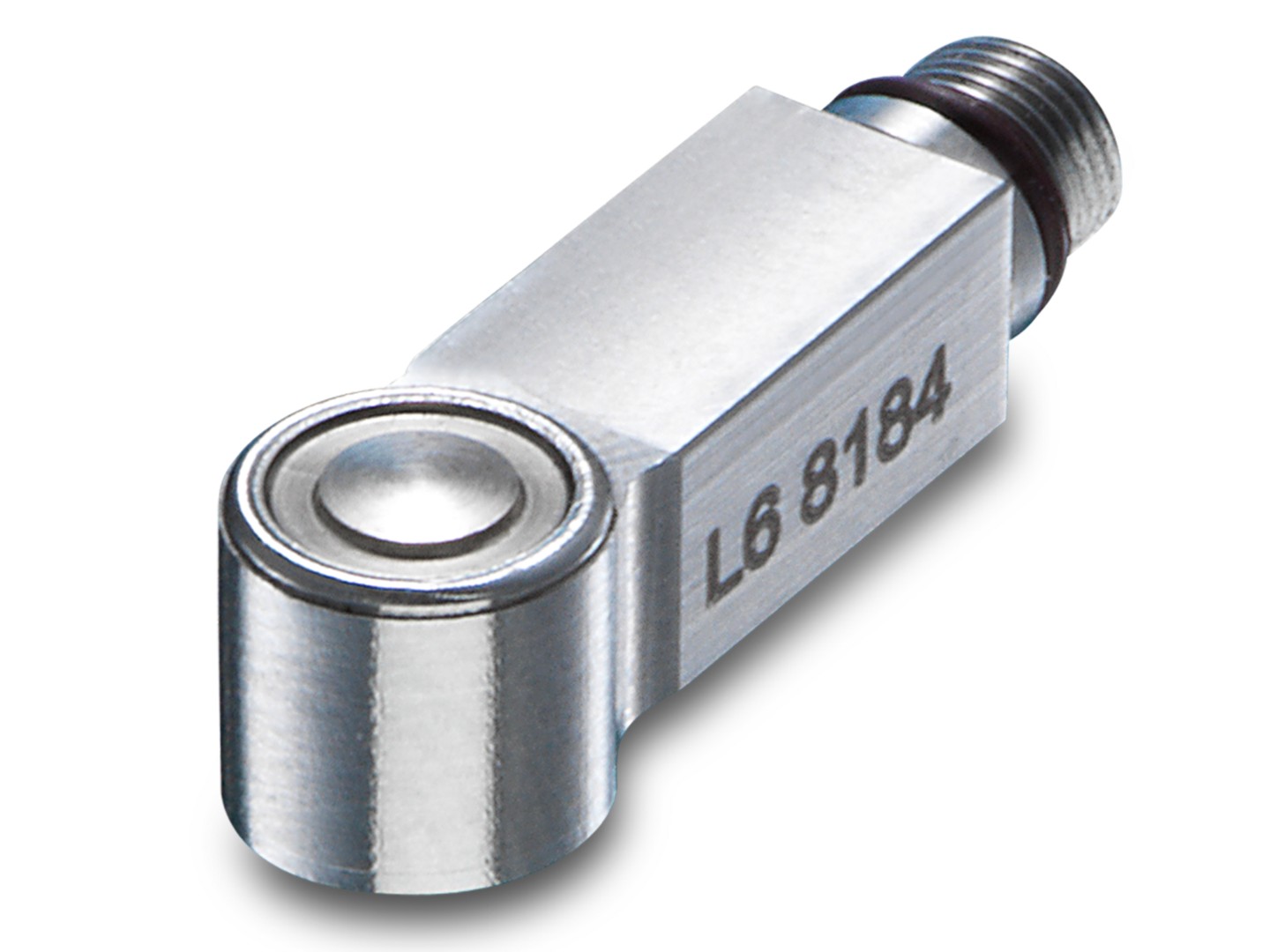
Indirect measurement — in-mold pressure sensors
- Force range from 0 … 250 N to 0 … 30 kN
- 0 … 200 °C operating temperature
- Pluggable version
- Particularly suitable for multi-cavity moulds.
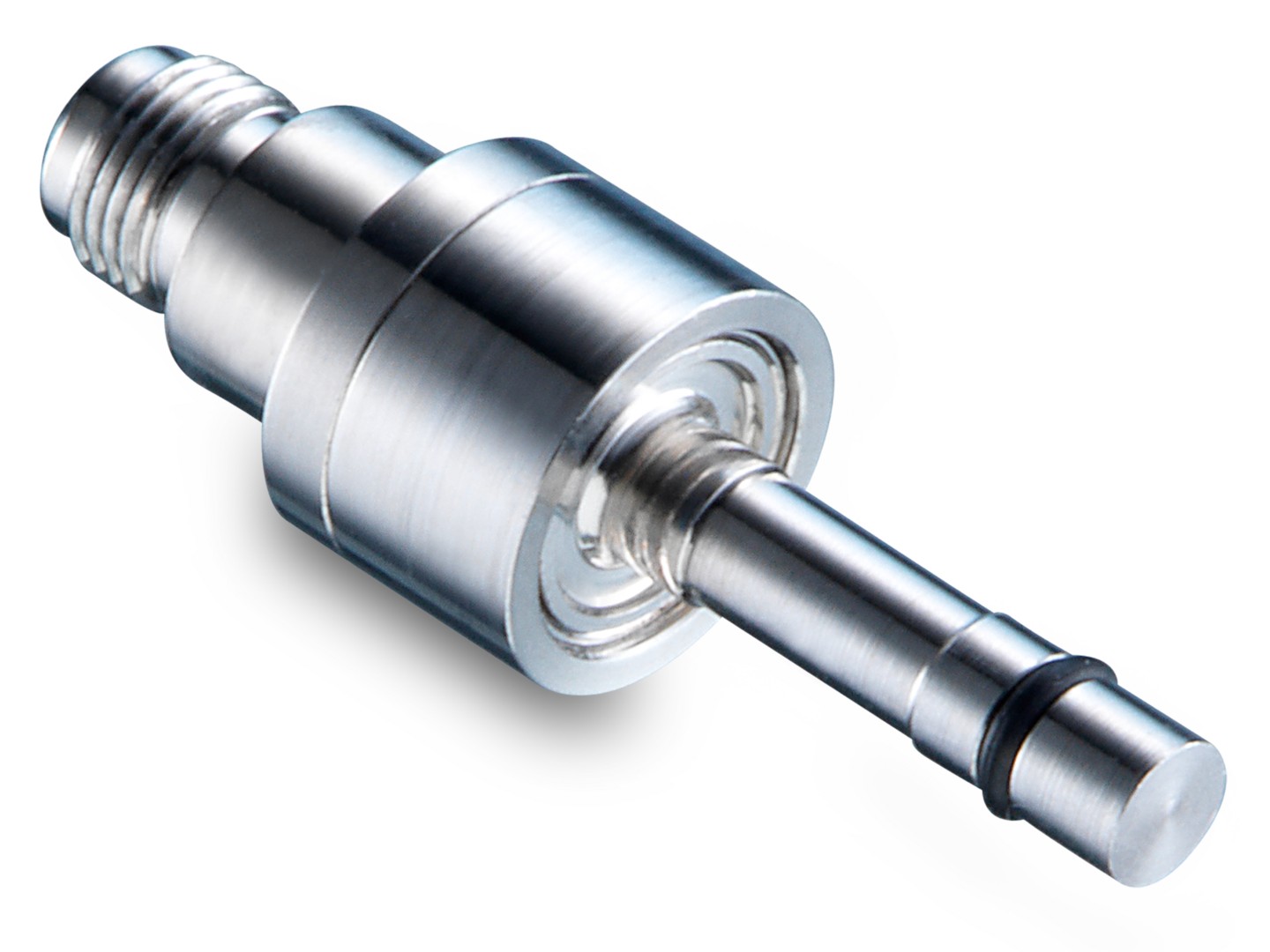
Direct measurement — in-mold pressure sensors
- 0 … 2000 bar pressure range
- 0 … 400 °C ambient temperature
- Pluggable version
- Particularly suitable for multi-cavity moulds.
Increased part quality
- Reliable process control and safety
- Monitoring and verifying part quality
Improved efficiency
- Process fluctuations can be detected earlier
- Optimized injection process
Increased production efficiency
- Improved efficiency thanks to precise process monitoring
- Optimized cycle time
Applications
Process fluctuations in injection molding can have a huge impact on quality and productivity. Baumer's in-mould pressure sensors make a significant contribution to meeting the necessary quality requirements.
Piezoelectric effect
When a force is applied to a piezoelectric crystal, a shift of electrical charge occurs within the crystal. These very small charges are collected at the electrodes and converted into a measurement signal in a highly sensitive charge amplifier. Piezoelectric sensors are characterized by extremely fast response times and are suitable for the measurement of high dynamic forces. Compared to strain gauge-based sensors, piezoelectric receivers can be used at significantly higher temperatures. Another advantage is that both very large and very small forces can be measured with a single sensor. A disadvantage of piezoelectric technology is that the resulting charges are dissipated by extremely small leakage currents — this requires periodic resetting, which is not required in strain gauge-based sensors.