Industry 4.0
The role of sensors and Baumer's contribution to the Smart Factory.
Sensor technology in the digital age
While the second industrial revolution widely used mechanical switches, the third industrial revolution paved the way for electronic sensors in automation.
Today's sensors are smart devices that deliver data and processed information. That is why digitalization in automation starts with the sensor. Highly accurate and reliable sensors reflect the machine's reality, becoming the cornerstone of further development and technology today and in the future.
- check_circleReliable control of machines and plants
- check_circleProcess optimization
- check_circleFoundation for modeling and validation
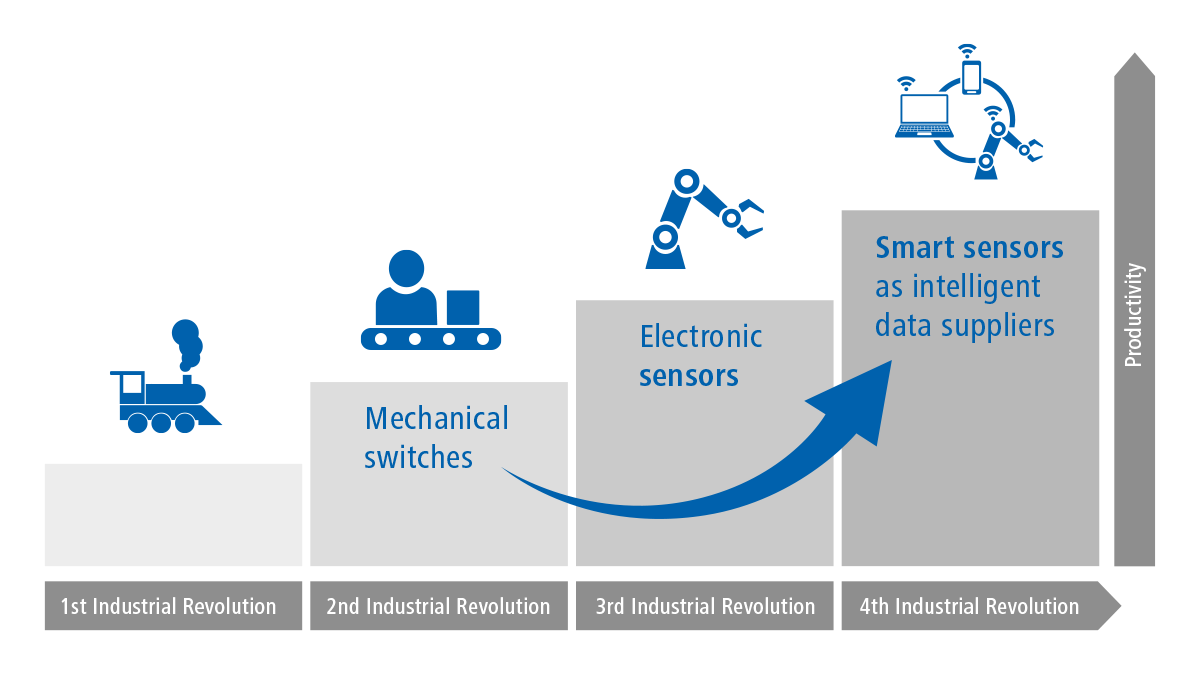
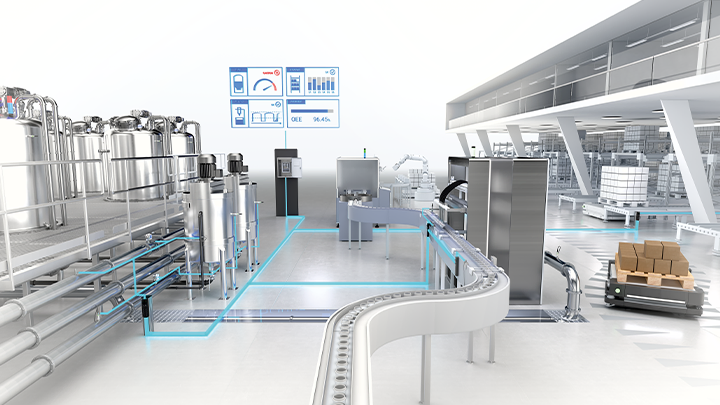
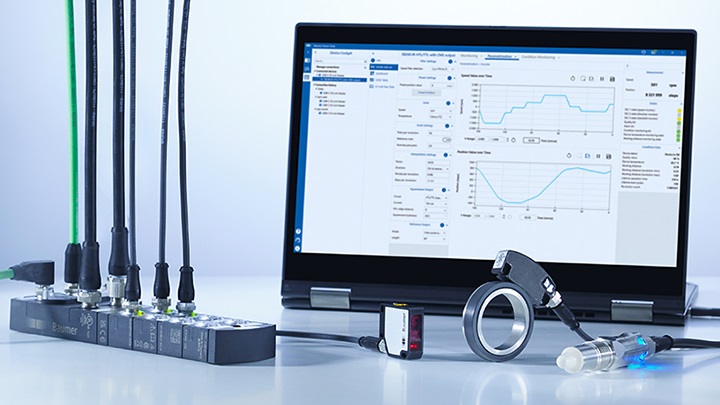
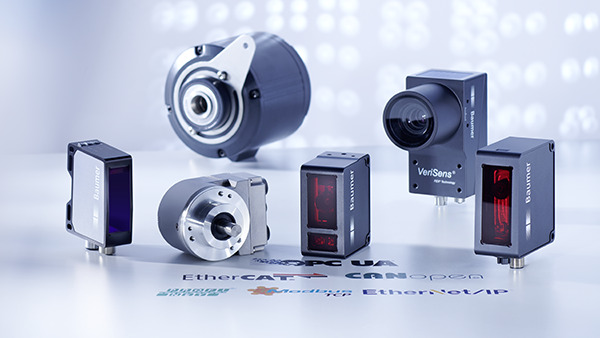
Baumer offers one of the broadest portfolios spanning different sensor technologies. High-accuracy and reliable measurements sit at the heart of every sensor. This optimizes Overall Equipment Effectiveness (OEE) while preserving flexibility. Secondary data and information provided by smart sensors monitor and optimize Smart Factory processes. A variety of interfaces allow sensors to connect to the network with plug-and-play logic.
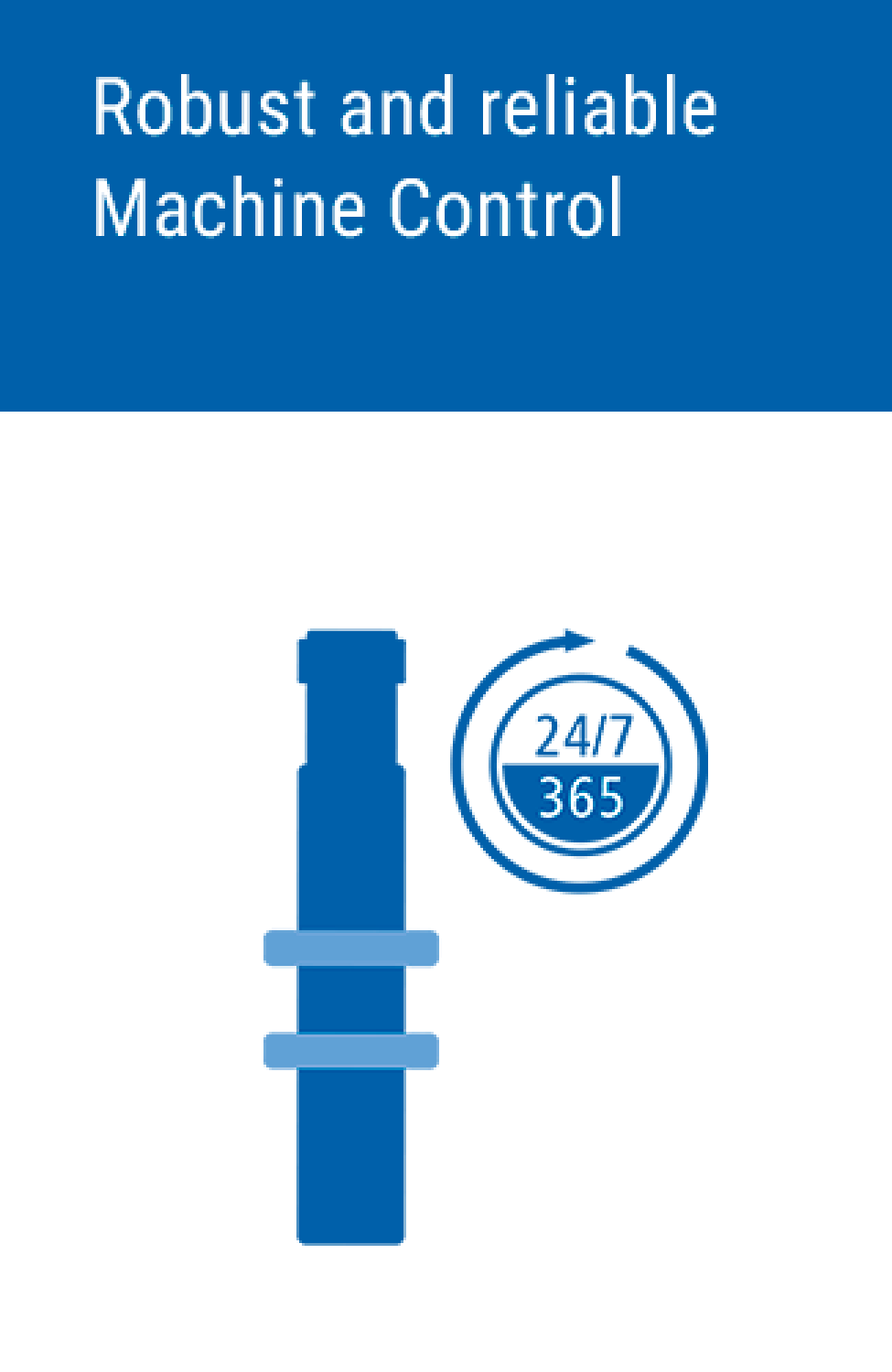
Smart sensors optimize processes
- Condition monitoring
- Predictive maintenance
- Quality improvements
- Quality predictions
- Asset management
- Traceability
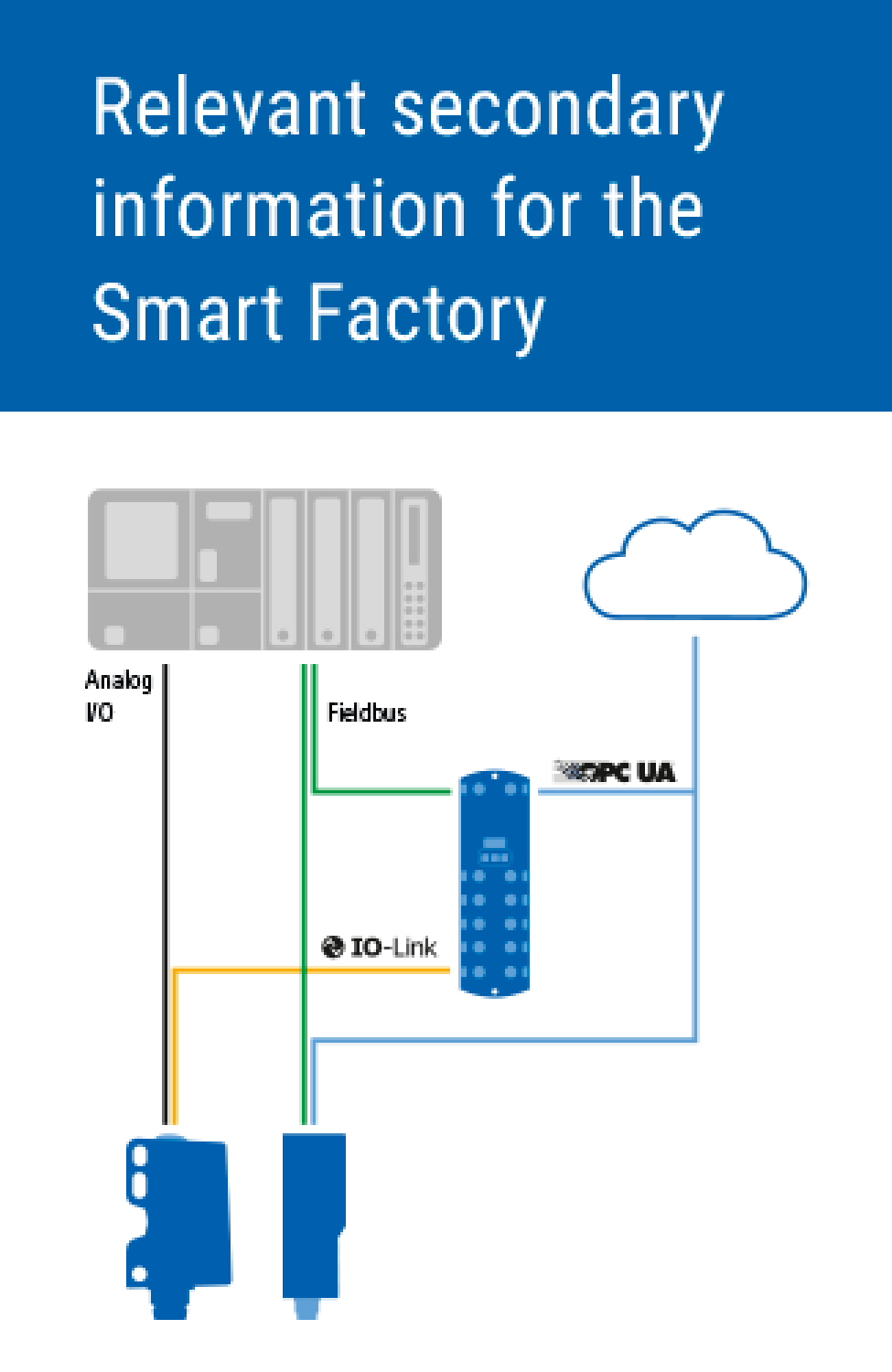
Seamless IT/OT connectivity
- OPC UA based IT/OT connectivity
- Ethernet fieldbus protocols for the most common PLC systems
- Last-mile connectivity at field level with IO-Link

High-performance measurement technology
- State-of-the-art, high-performance measurement
- The newest design principles
- Reliable repeatability
- Robustness even in demanding environments
- Flexible parametrization
The concept of Industry 4.0 is not an end in itself
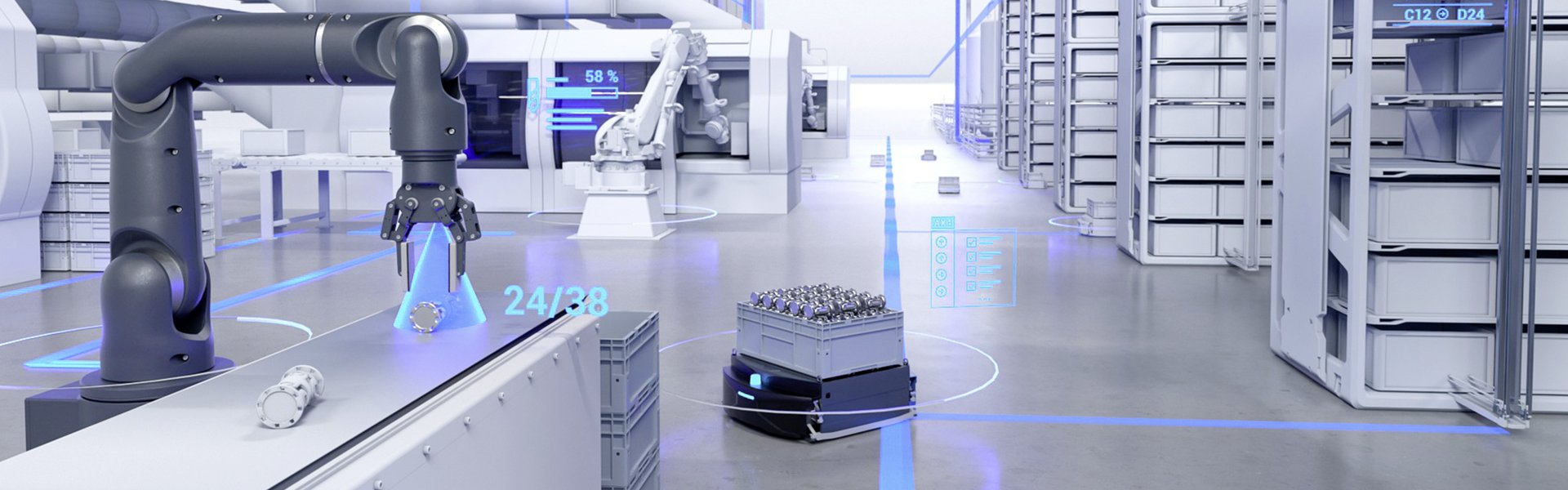
Industrial digitalization arises from the ever-growing demands on modern production. The goals of increasing Overall Equipment Effectiveness and lowering Total Cost of Ownership (TCO) are not new — they were already pursued in the early stages of industrial automation. However, today's fast-paced society has created another requirement: flexibility. As a result, industrial Digital Transformation is driven mainly by three factors.

Increased Flexibility
Individualization and Lot Size 1, short setup times, just-in-time production.
Optimized Overall Equipment Effectiveness (OEE)
Availability, performance, quality, safety, resources.
Reduced Total Cost of Ownership (TCO)
Direct and indirect costs across every stage of the equipment lifecycle.