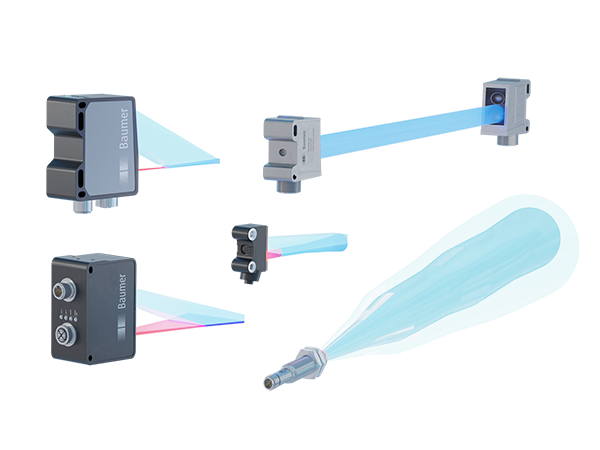
Advanced Sensor CAD Data
Baumer offers optimized, user-friendly 3D sensor CAD data that speeds up the engineering process and prevents errors during sensor installation and commissioning…
10 GigE Vision
Video "5 Reasons for 10 GigE Cameras" 10 Gigabit Ethernet – Fast, Reliable and Easy Integration Gigabit Ethernet is the most widely used interface in industrial…
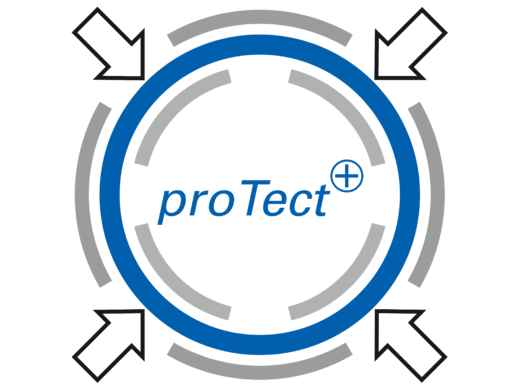
proTect+ Sealing Concept
Leak-proof proTect+ Baumer sensors have been developed to guarantee exceptional sealing throughout their entire service life. While other sealing tests only test…
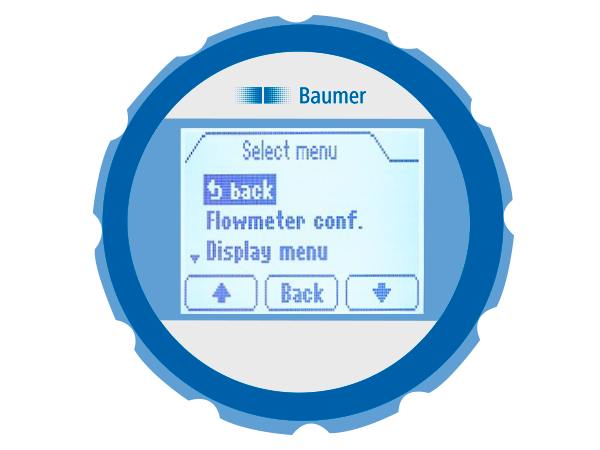
CombiView DFON Touch Screen
Standardized Display Usage Concept for All Technologies Our CombiView display offers a simplified operating concept for all technologies in the field of process…
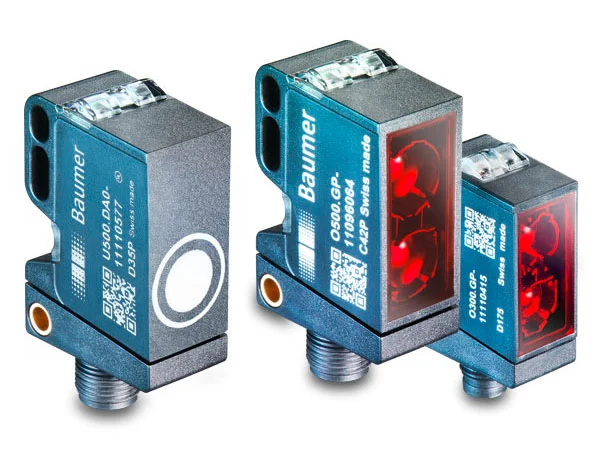
High Level of Planning Flexibility with Baumer OneBox Design
OneBox Design refers to a new Baumer housing design that encompasses two technologies and various sensor principles. Baumer NextGen sensors are equipped with the same dimensions, bores and control elements for all sensor principles and technologies in the series. The choice is yours!
HART® – Process industry for Industry 4.0
The HART® communication protocol transmits digital data and parameters via an analog interface. The existing cabling architecture continues to be used. The circuit can be modified to be intrinsically safe for use in potentially explosive environments. A number of standard components are available for connection to higher-level bus systems.
Hygienic design
Compliance with relevant regulations and directives (3-A hygienic standards, FDA compliant, EHEDG certified)
No dead space, easy to clean
Hygienic process connections, pipe connections and gaskets
Hygienic materials and surfaces
Integrated JPEG image compression
Advantages of Integrated JPEG Image Compression Implementing image compression directly in-camera offers many advantages in terms of system design and flexible…
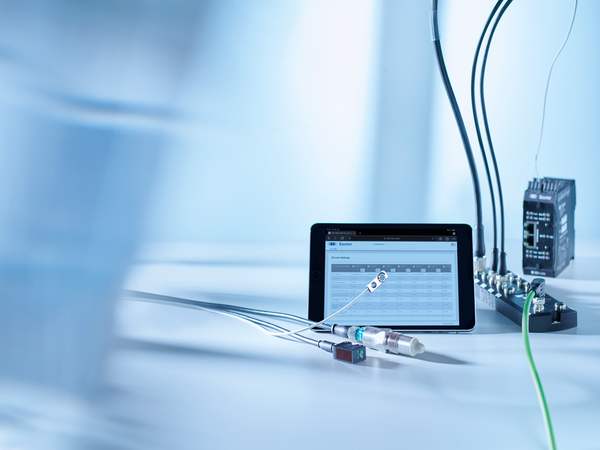
IO-Link Product and Function Overview Glossary
IO-Link function definitions and descriptions Device Profile / IO-Link Version Smart Sensor Profile is the standardized device profile for measuring sensors and…
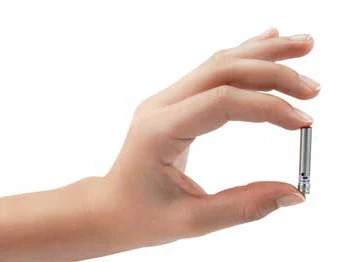
miniaturization
Baumer has been one of the market leaders in the miniaturization of industrially suitable sensors for years. “Maximum performance in minimum space” This understanding has resulted in sensors with unrivaled capacity for their size. These sensors offer a variety of solutions in both switching and measurement versions and are available in a wide range to solve your problems.
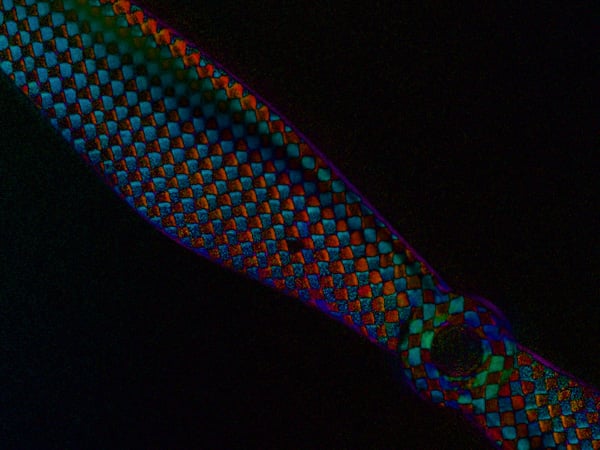
Polarization
Benefits Baumer's CX series polarizing cameras integrate on-chip polarizing filters at the pixel level. In this way, it provides higher contrast in intensity images…
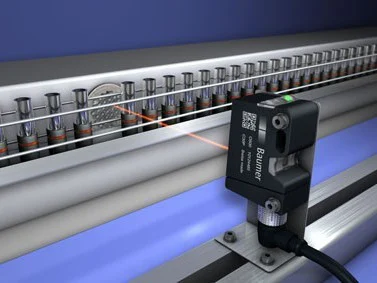
qTarget – sensors that require quick installation and no tweaking
qTarget sensors provide quick and easy installation without requiring fine tuning and enable rapid replacement. The Baumer design aligns the sensor's light beam into the fixing holes. This not only compensates for tolerances between individual components, but also ensures consistent alignment accuracy across the entire sensor series.
Protection
Classes IP 65 Provides protection against dust ingress and complete protection against electric shock. Provides protection against water spray from all directions…
Shape without shading
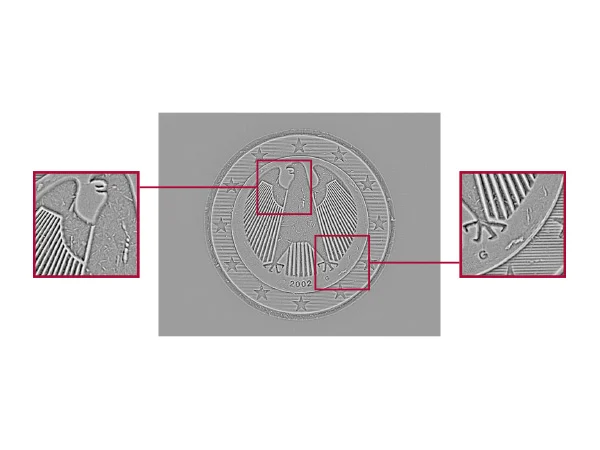
Extracting Shapes from Shadows – What is it? Shape extraction from shadows is a 3D technique of measuring slope and curvature used in automated quality control. It…
Teaching Capacities
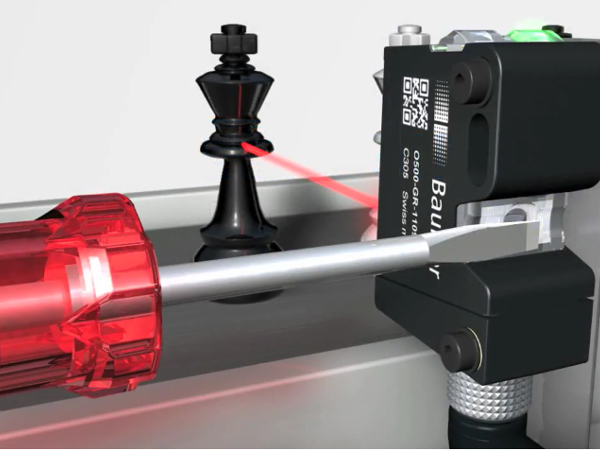
Different teaching methods are available for easy configuration of the measuring range of the sensor: teach-in button, remote teach-in input, potentiometer, 1-step teach-in method or qTeach functionality can be used.
VeriSens feature controls
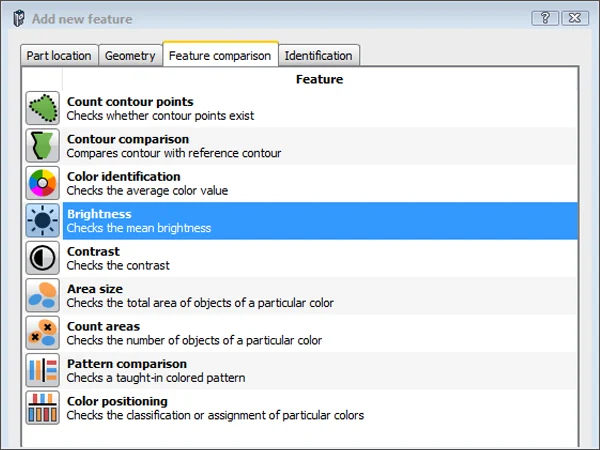
High Performance Feature Controls VeriSens image sensors enable you to complete your inspection tasks quickly: Recognize and react immediately to errors during…

Washdown design
Protection against dust and high temperature, high pressure water ingress – IP 69K.
It is suitable for use in wet areas to spray water and chemicals.
It complies with the relevant regulations and directives (Ecolab, FDA).
Sealed V4A stainless steel body.
European Hygienic Engineering & Design Group
Guidelines and Certificates
European, non-profit consortium of users, suppliers and healthcare institutions. It evaluates the cleanability of hygienic components based on a laboratory test in which the test object is compared to a reference tube. If the test is passed, EHEDG issues a certificate. The consortium also publishes guidelines. Cleanability of external surfaces of devices (cases, etc.) “washdown” It is called and is used especially in position sensors (e.g. light barriers). This can also be used for cable connections and connectors.
3-A Sanitary Standard, Inc.
Guidelines and Certificates
An independent, not-for-profit company in the United States. It represents the interests of public and state health institutions, machinery and food manufacturers. It sets standards for materials and design to be used in the beverage, food and pharmaceutical industries. Evaluation of the conformity of a test object is carried out by an inspector on the basis of the design drawing and visual inspection. If this is positive, 3-A issues a certificate. Apart from the parts that come into contact with the process, the external design must also comply with certain guidelines, for example, no liquid should remain on flat surfaces.
BASE. Food & Drug Administration
Guidelines and Certificates
The supervisory authority for human and animal protection in the United States. In process technology, he is responsible for material selection. Certain materials, such as high-alloy stainless steel and various synthetic materials (e.g., PEEK), are listed for safe environmental contact and are assigned a specific “CFR” number. Baumer, on his own responsibility, “Food Regulatory 26 Declaration of Harmlessness” Declares compliance with FDA requirements.

European Regulation 1935/2004/EC
Guidelines and Certificates
Substances and objects intended to come into contact with food.
10/2011/EU: Plastic substances and articles intended to come into contact with food.
2023/2006/EC: Good manufacturing practices. With the “safe for food contact” certificate, Baumer declares that it complies with these regulations. We require appropriate evidence from our suppliers for purchased parts.

CE Marking
Guidelines and Certificates
Compliance with European directives is ensured. By adding the CE marking, Baumer declares the relevant product specific compliance: 2014/30/EU Electromagnetic compatibility (EMC) (replaces 2004/108/EC), 2011/65/EU Restriction of the use of certain hazardous substances in electrical and electronic equipment (RoHS) (replaces 2002/95/EC), 2014/68/EU Placing pressure equipment on the market (Pressure Equipment Directive) (Replaces 97/23/EC). This is used from certain volumes and pressures onwards. The applicable directives and standards must be stated in a 'Declaration of Conformity' together with the type designation of the device and the address of the manufacturer. With this document, the manufacturer declares compliance under his own responsibility.
ATEX Directive
Guidelines and Certificates
European Directive 2014/34/EU: Equipment and protective systems designed for use in potentially explosive atmospheres (replaces 94/9/EC). Compliance must be examined by a certified body and confirmed by a type examination certificate (e.g. TÜV). Baumer declares the compliance of the relevant sensors with the directive in the CE Declaration of Conformity.
Underwriters Laboratories (UL)
Guidelines and Certificates
Underwriters Laboratories (UL), an independent American organization, sets standards and tests products for compliance with specific requirements such as safety. Its equivalent in Canada is the Canadian Standards Association (CSA). “cULUs” The pictogram indicates that the relevant test is recognized in both countries. After successful testing, the laboratory issues a certificate (UL listed). Testing is often required by European OEMs supplying machines to the USA. However, listing is not required for the simple sale of sensors in the USA and Canada because our devices do not use voltage or current that poses a risk of electric shock or fire.
DNV-GL
Guidelines and Certificates
“Det Norske Veritas” (Norway) and “Germanischer Lloyd” DNV-GL, an association of (Germany) classification companies, certifies equipment for the maritime industry, particularly for use on ships. In particular, increased vibration resistance must be proven by laboratory tests before a certificate is issued.
Lloyd's Register
Guidelines and Certificates
It is a classification company based in London (England). Issues certificates based on laboratory tests performed in accordance with Lloyd's Register Quality Assurance system. The company operates in the railway sector as well as the maritime sector.
