Product portfolio
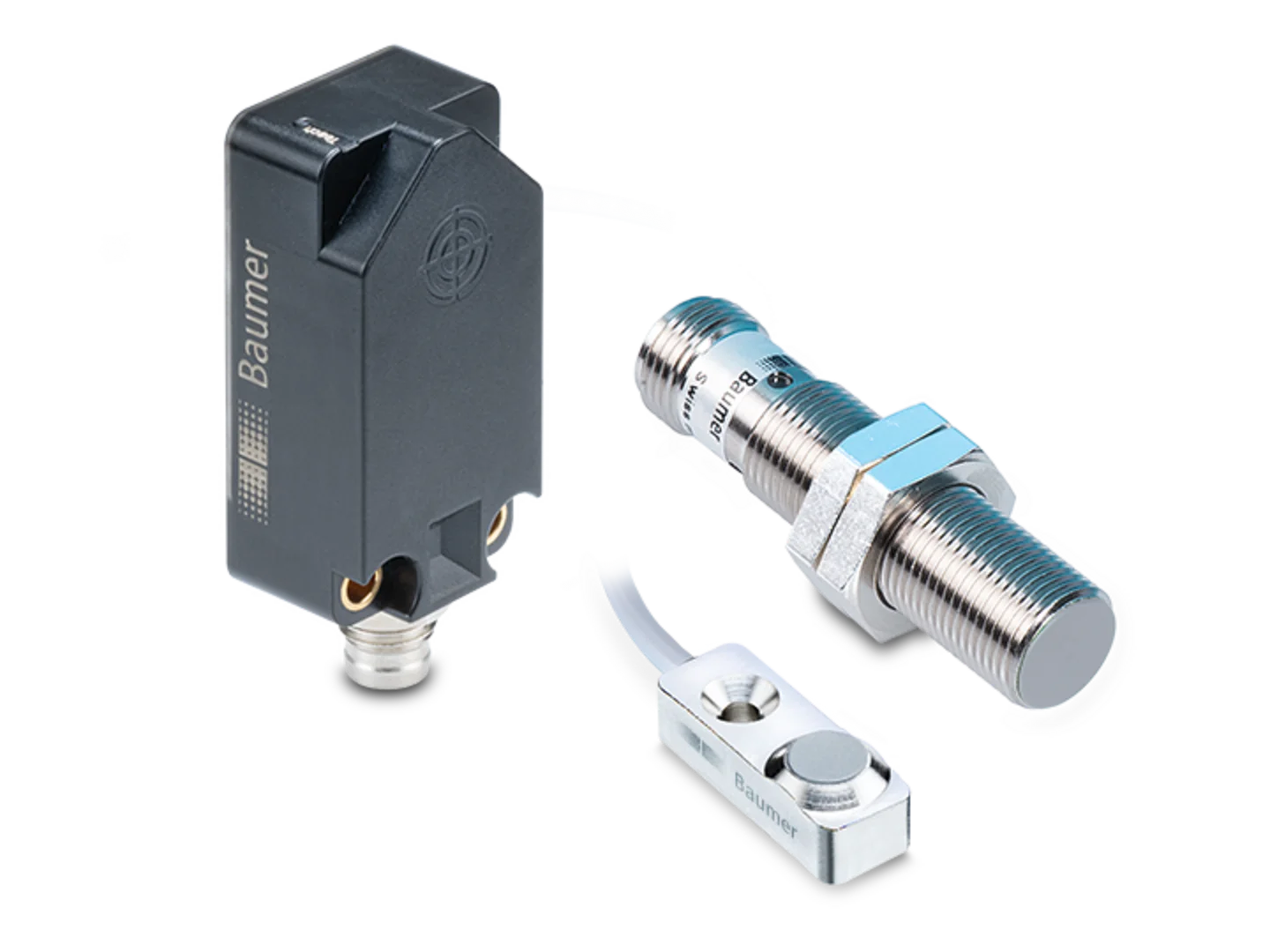
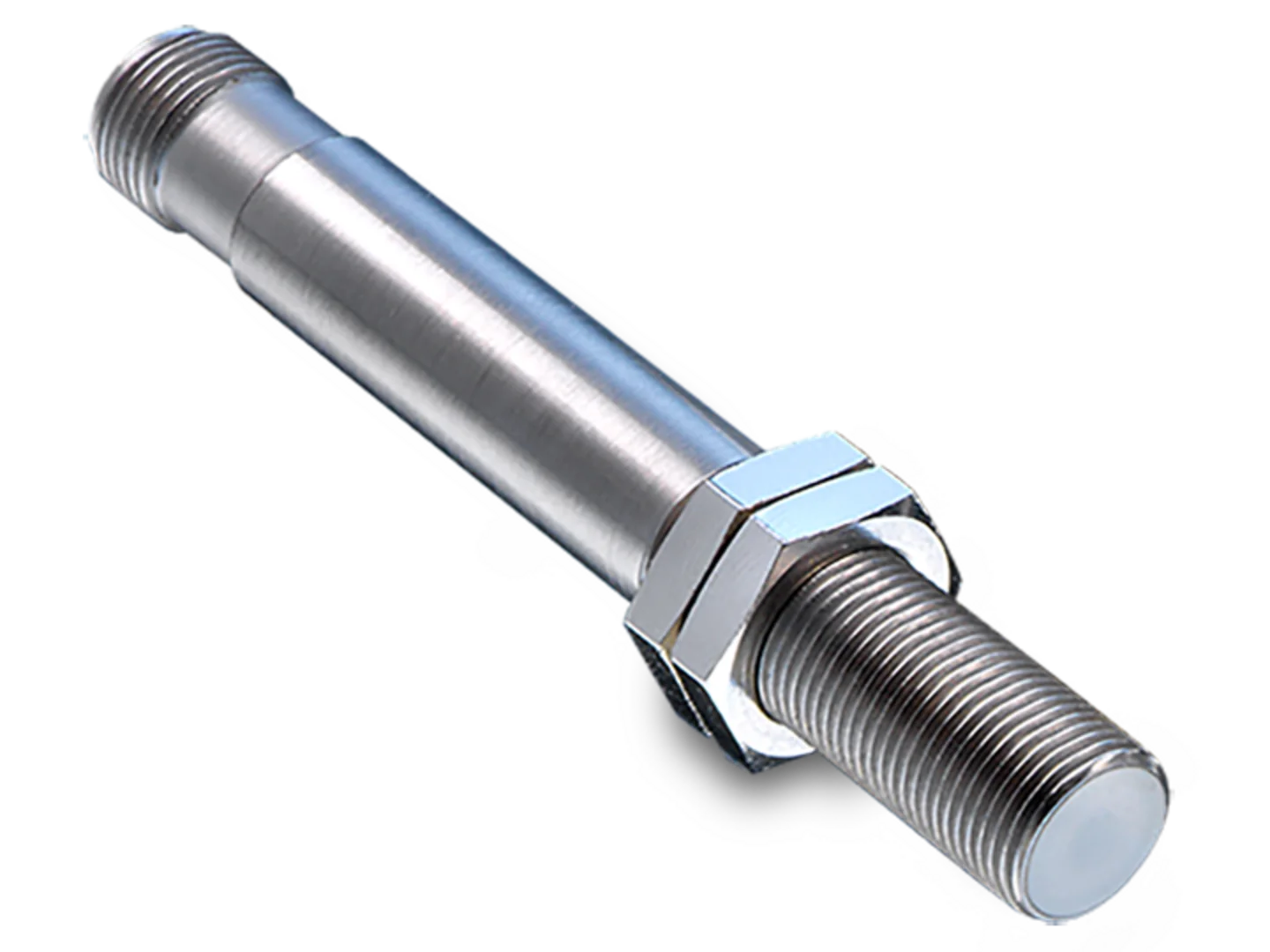
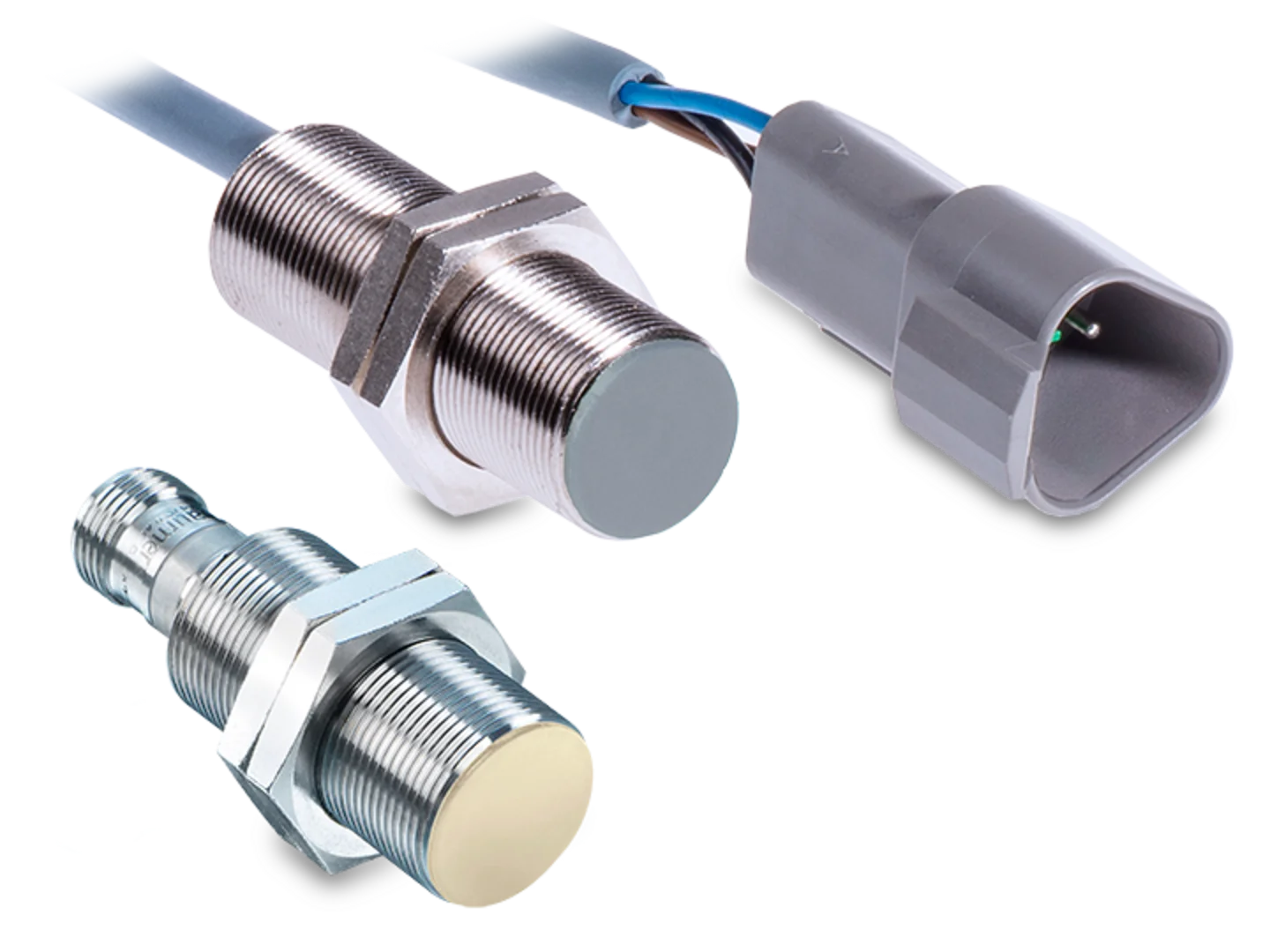

Highlights of inductive distance sensors
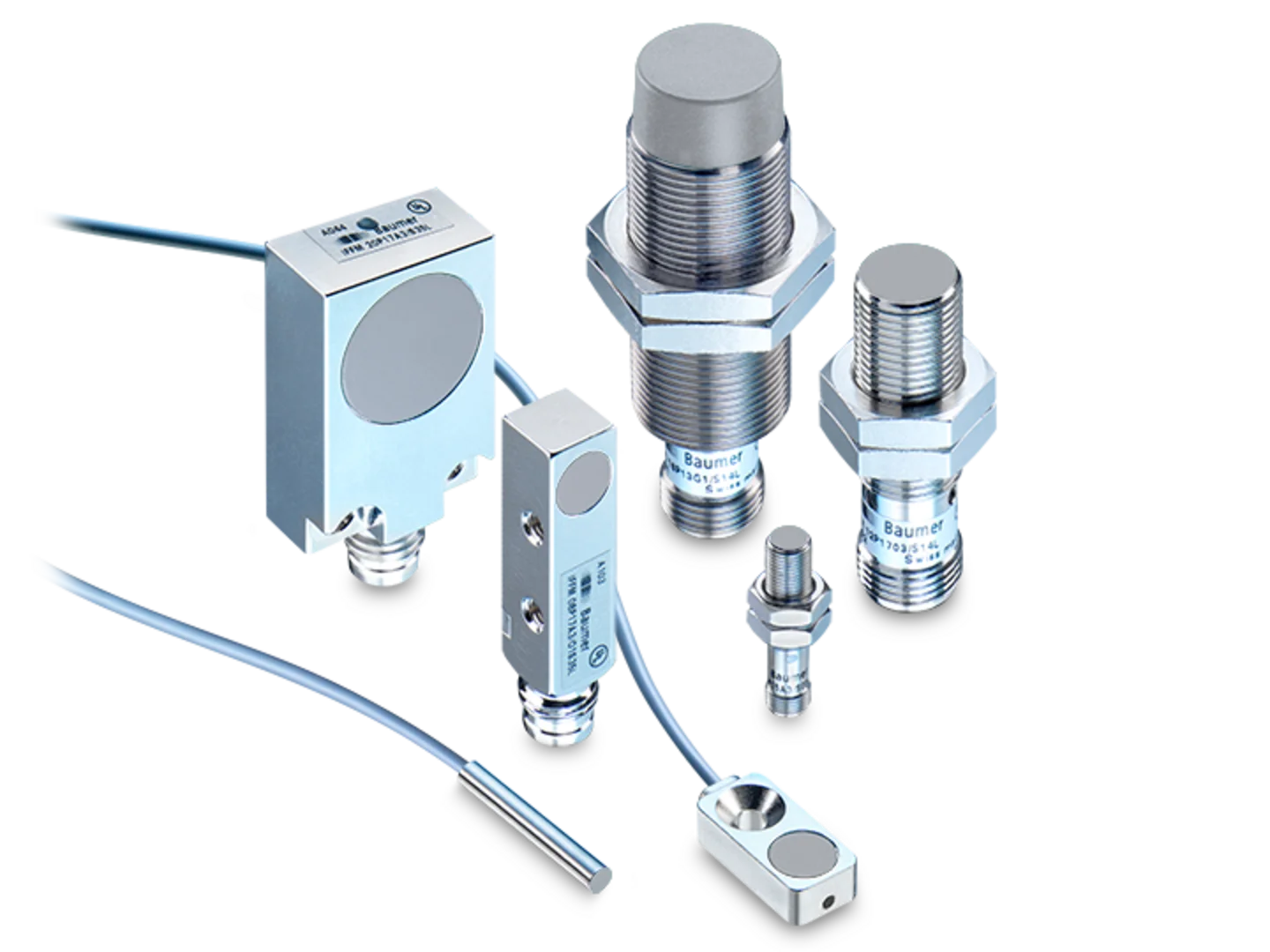
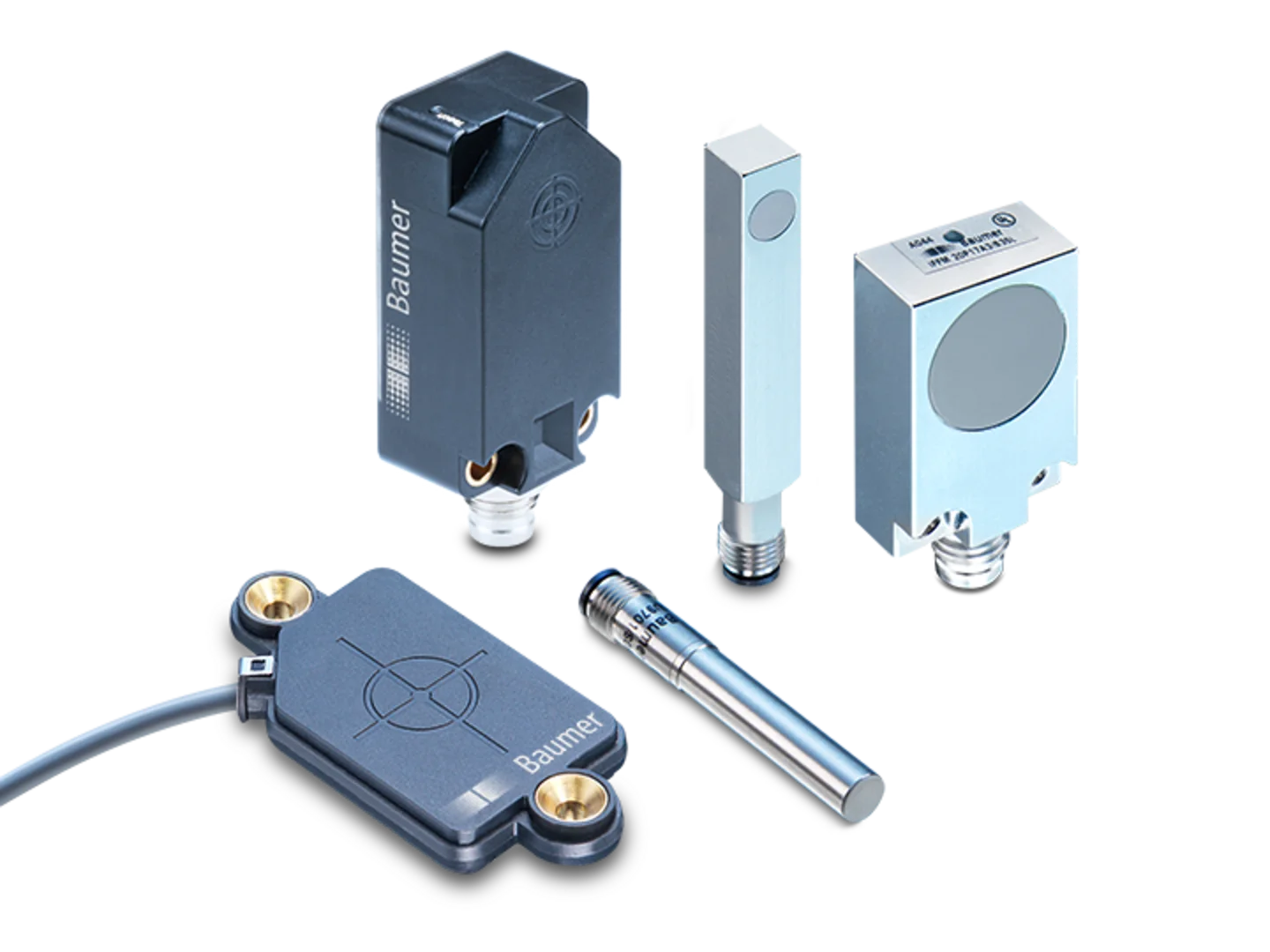
For minor deformations or changing distance, expensive eddy current systems or complex integrated solutions used to be state of the art technology. Baumer inductive sensors push the limits of inductive measurement technology and open up new application potential in precision distance measurement. Baumer AlphaProx inductive sensors excel by:
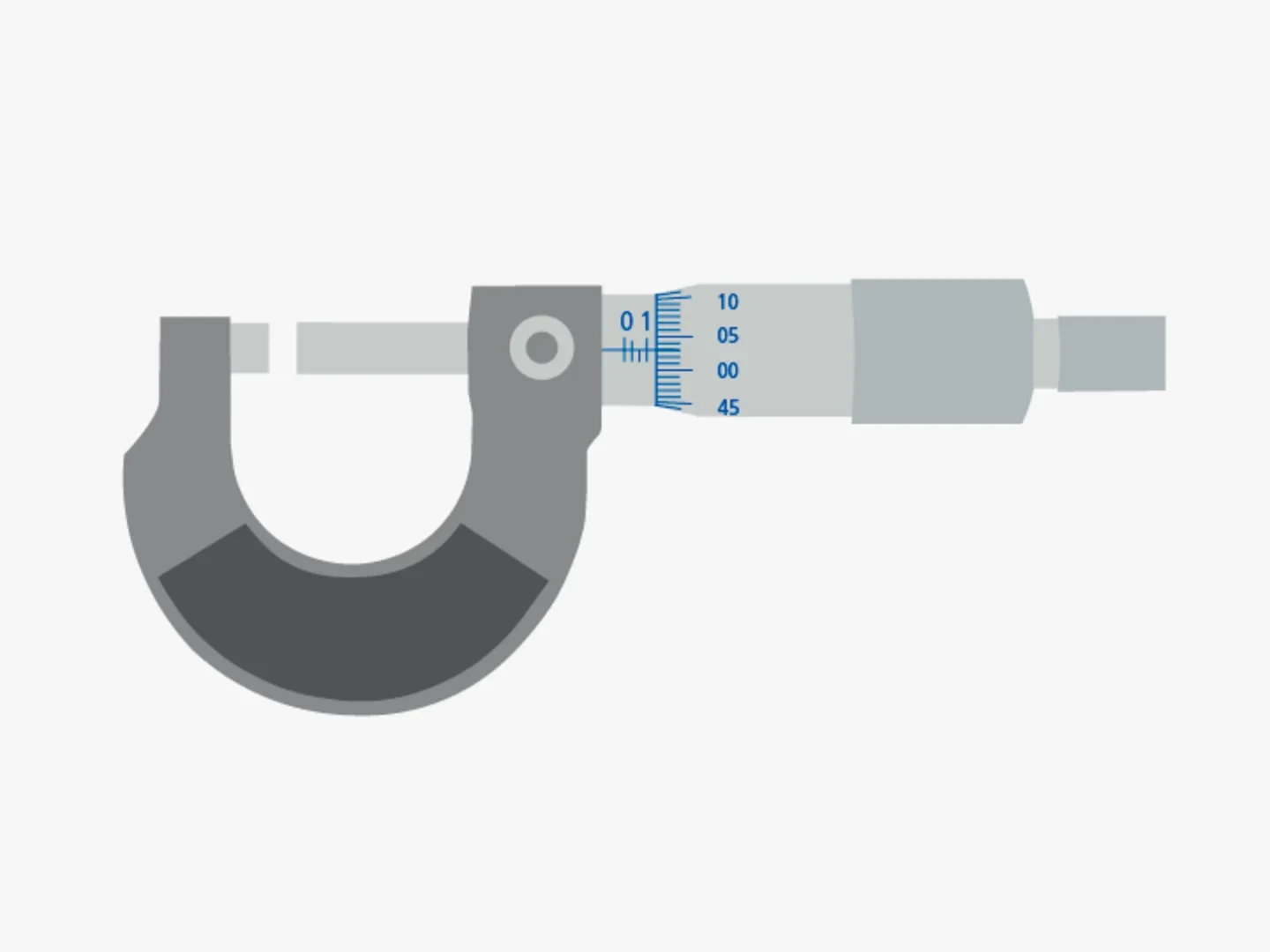
Detecting even the slightest position change
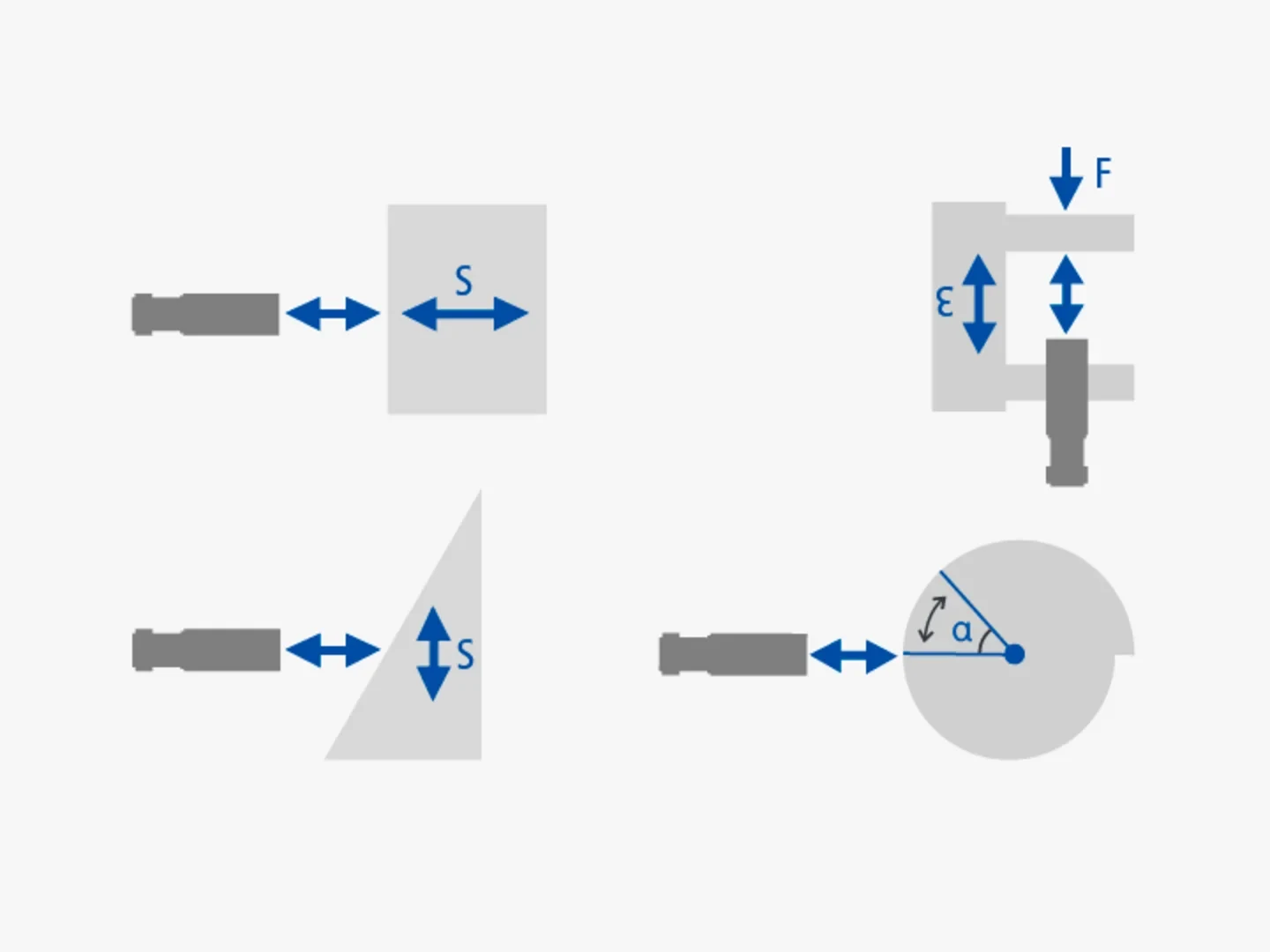
In any dimension
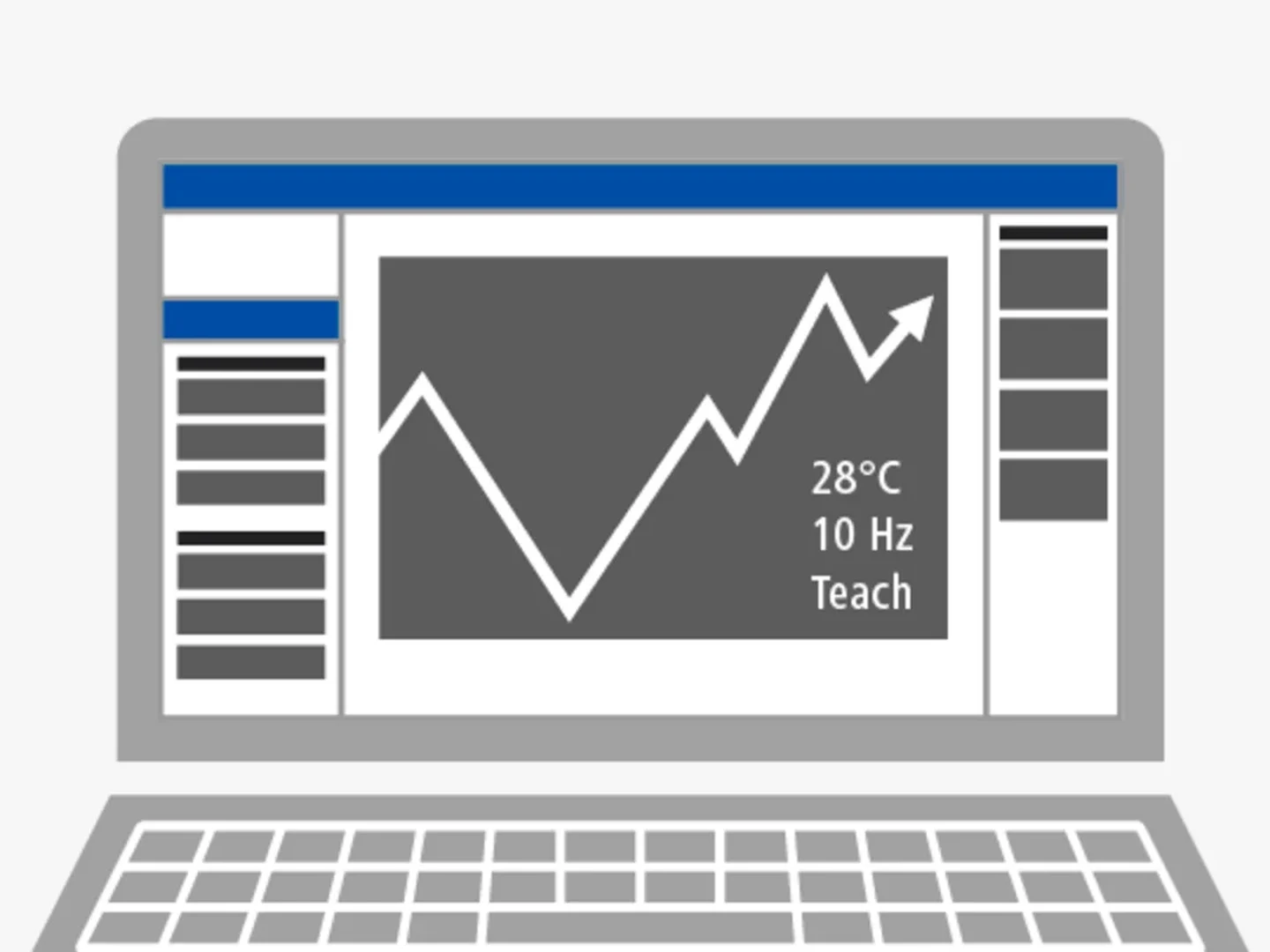
Simply efficient
Measurable added value for your application
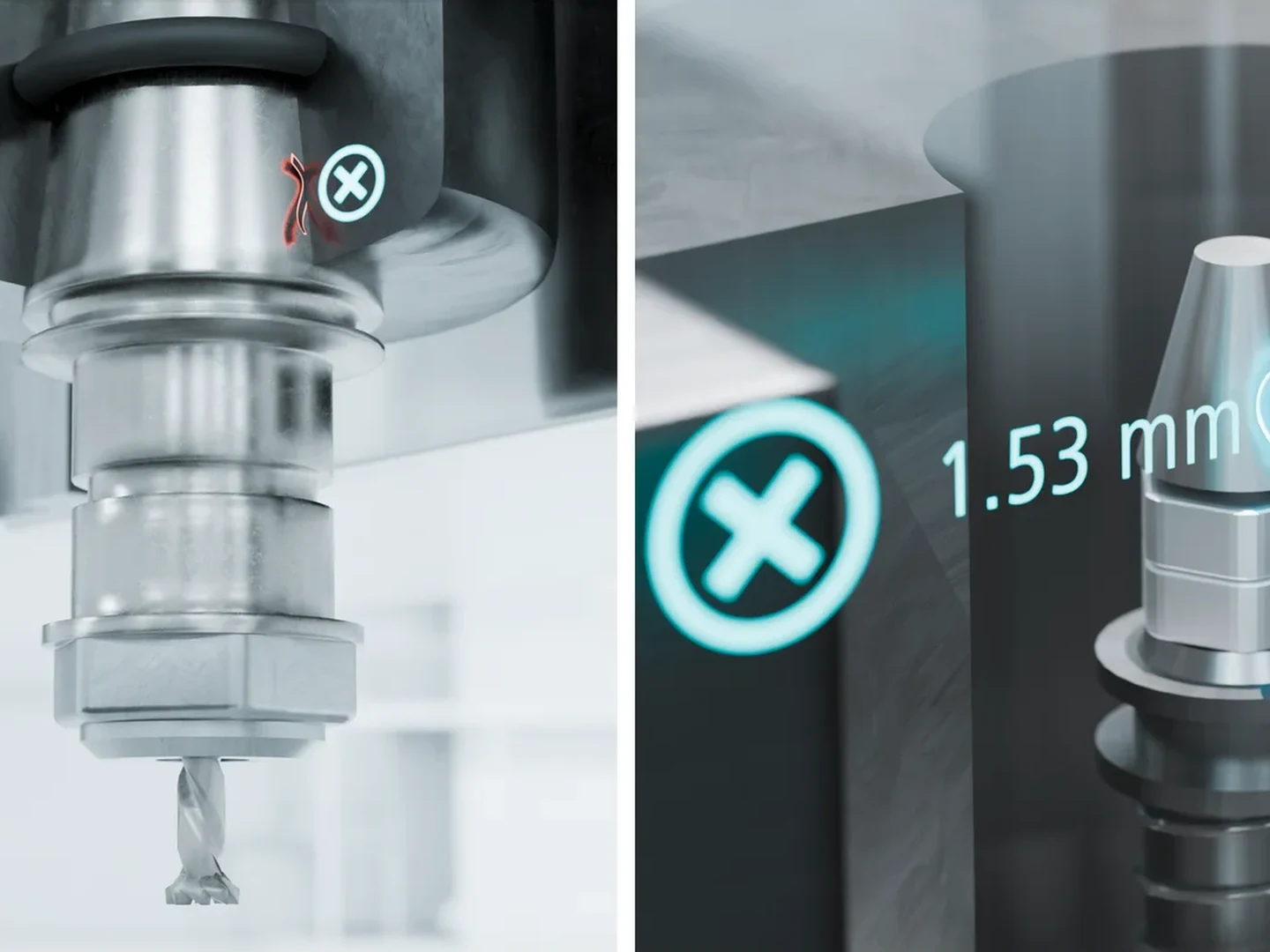
Detecting even chips
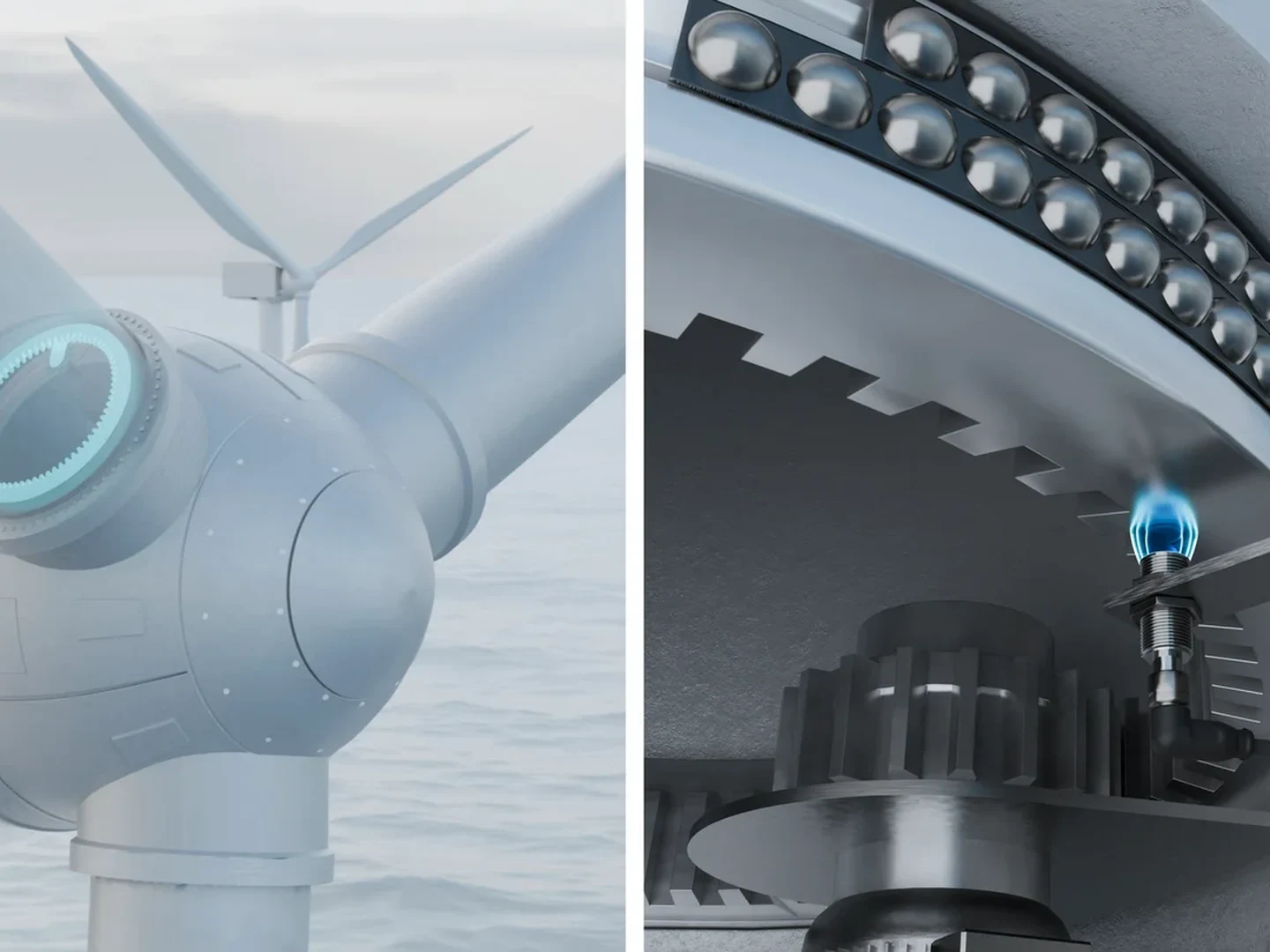
Long-term stability ensures reliable monitoring
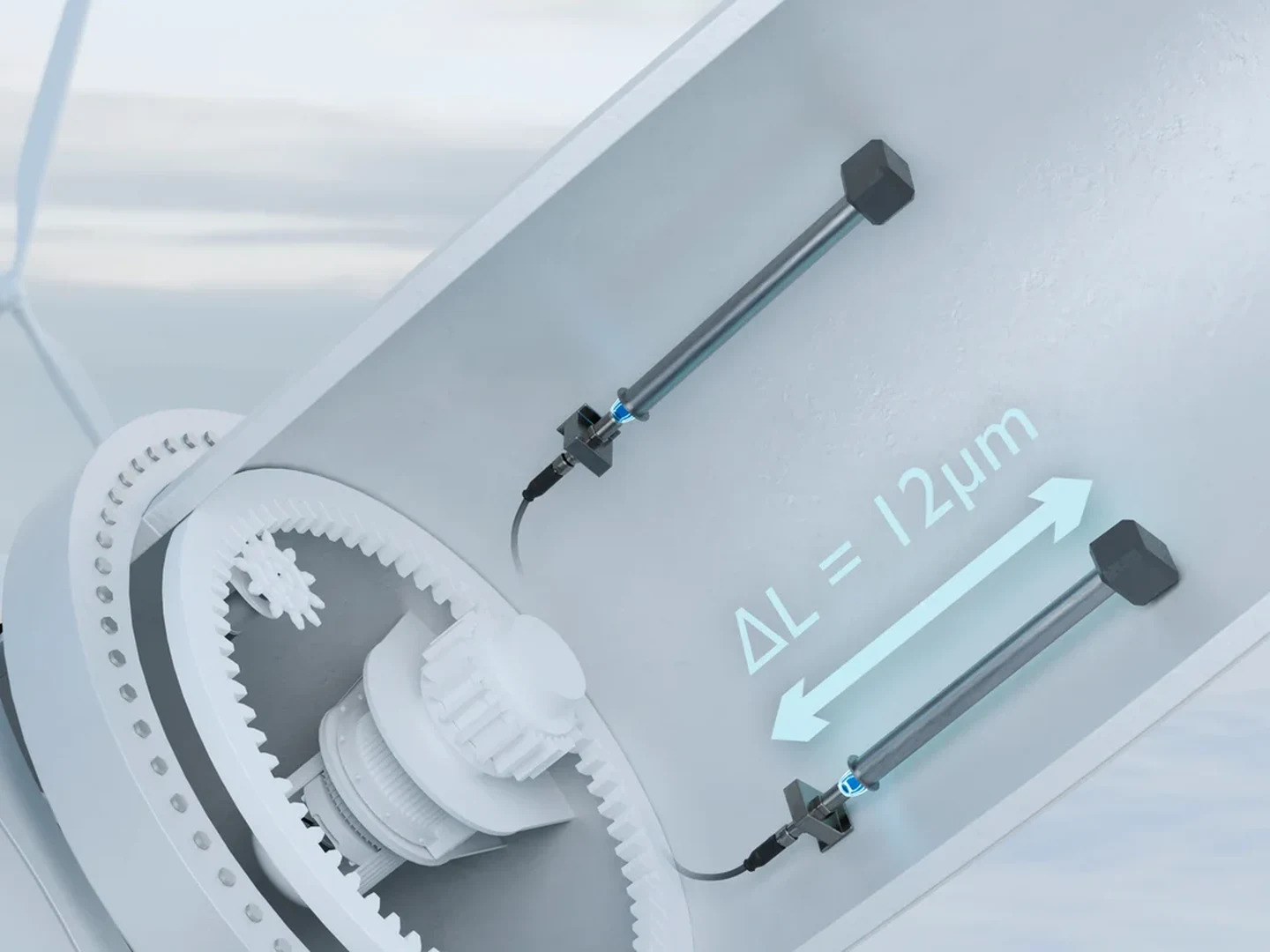
Non-contact measurement of force or strain
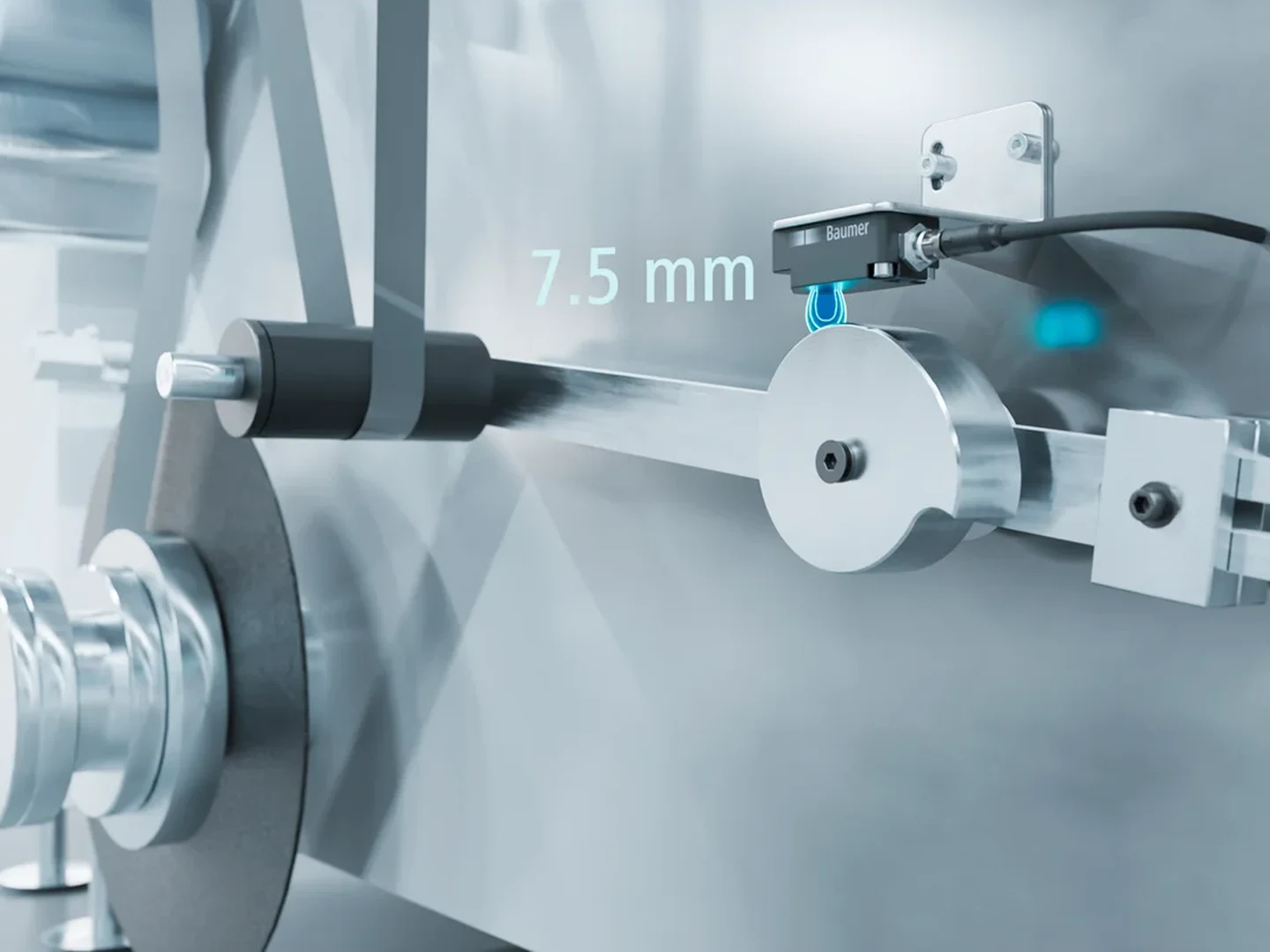
Angle measurement
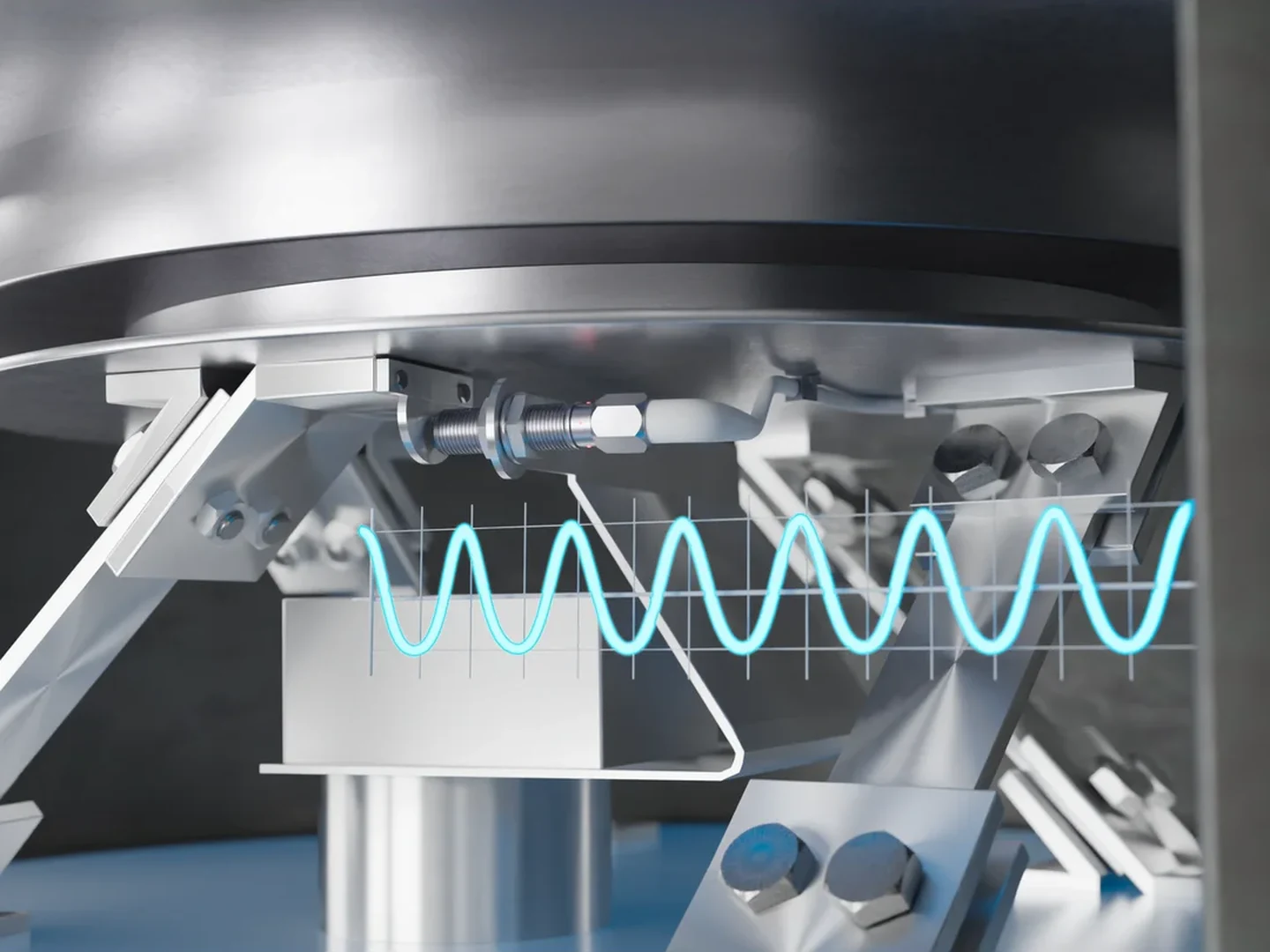
Vibration and imbalance
Technology
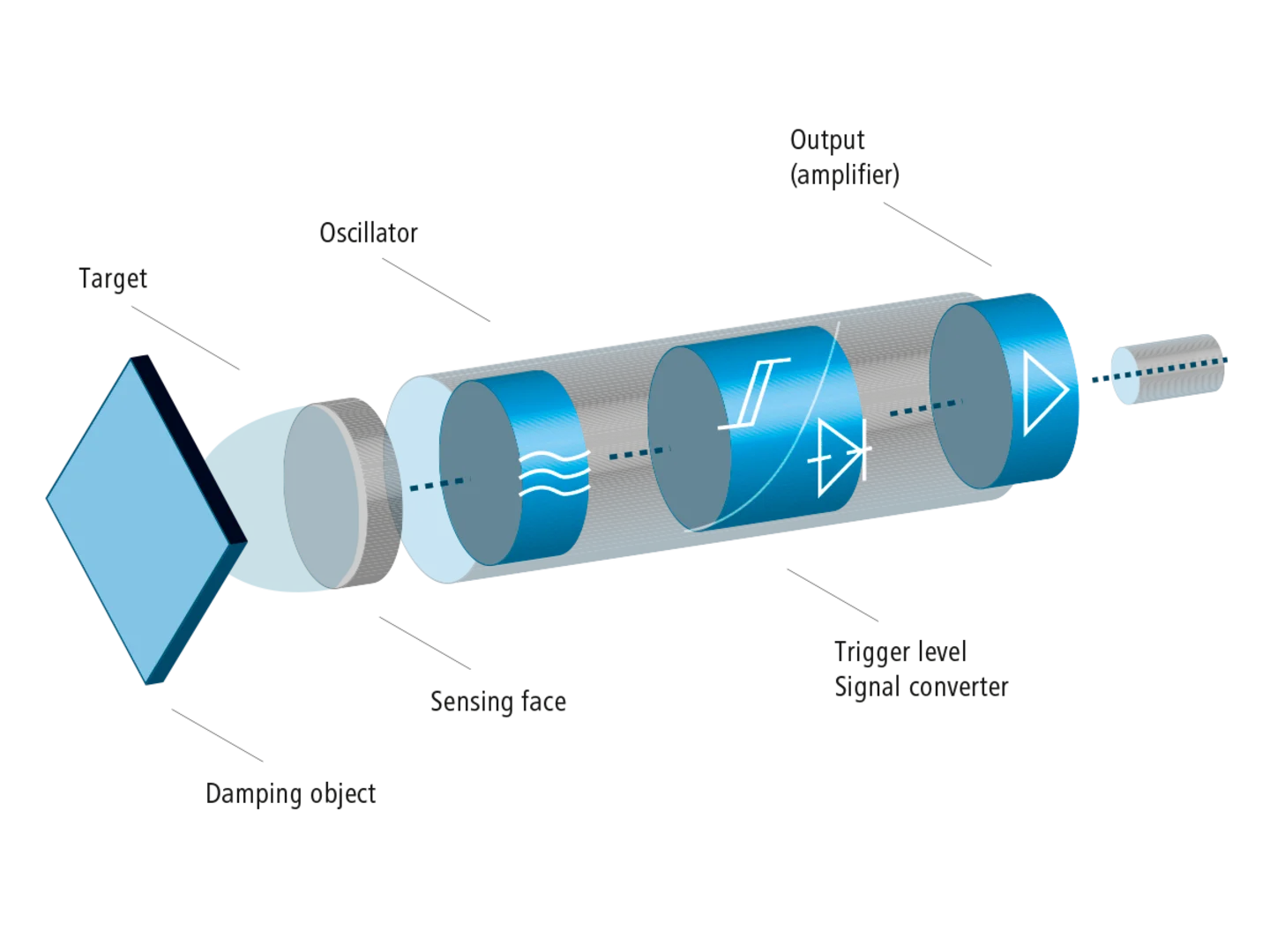
Inductive distance sensors operate on the same principle as inductive proximity sensors. They utilize electromagnetic fields for detecting metal objects within the sensing range. The coil acting as sensor element is part of an LC oscillator. The electric current flowing through this oscillating circuit generates an alternating electromagnetic field that emerges from the active sensor surface. A metal object approaching the front is inducing eddy currents in the object, draining energy from the oscillator. This results in a level change at the oscillator output, which is detected and converted into an output signal.
What is an inductive distance sensor?
By non-contact sensing, an inductive distance sensor measures the distance to metal objects. This kind of sensor is particularly appropriate in industrial applications with high demands on durability, precision and reliability. The sensor precisely detects any change in the electromagnetic field induced by metal objects. This information is converted into a distance-proportional analog value or transmitted via communication interface such as IO-Link.
Which inductive distance sensors are ideal for long-range applications?
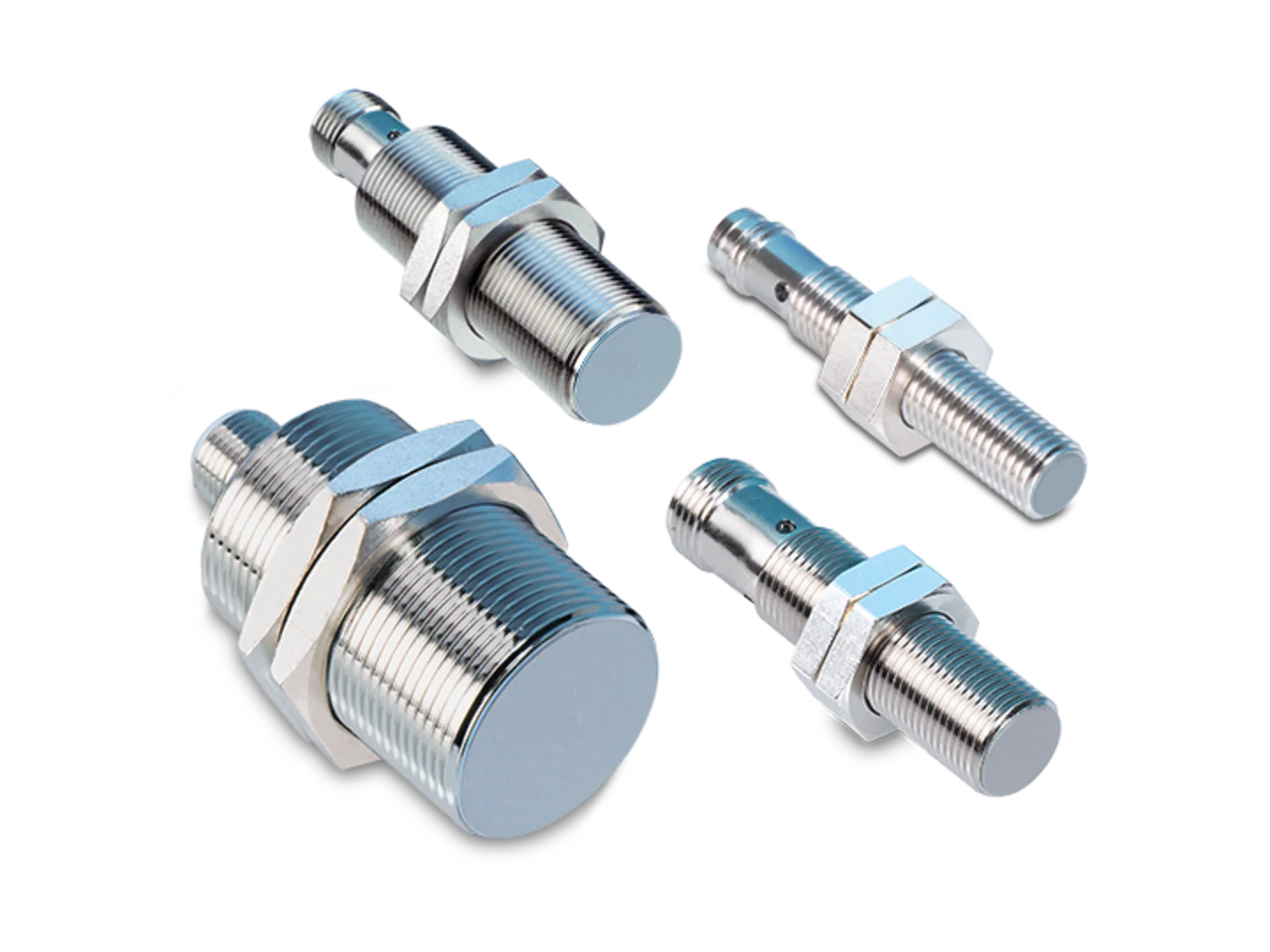
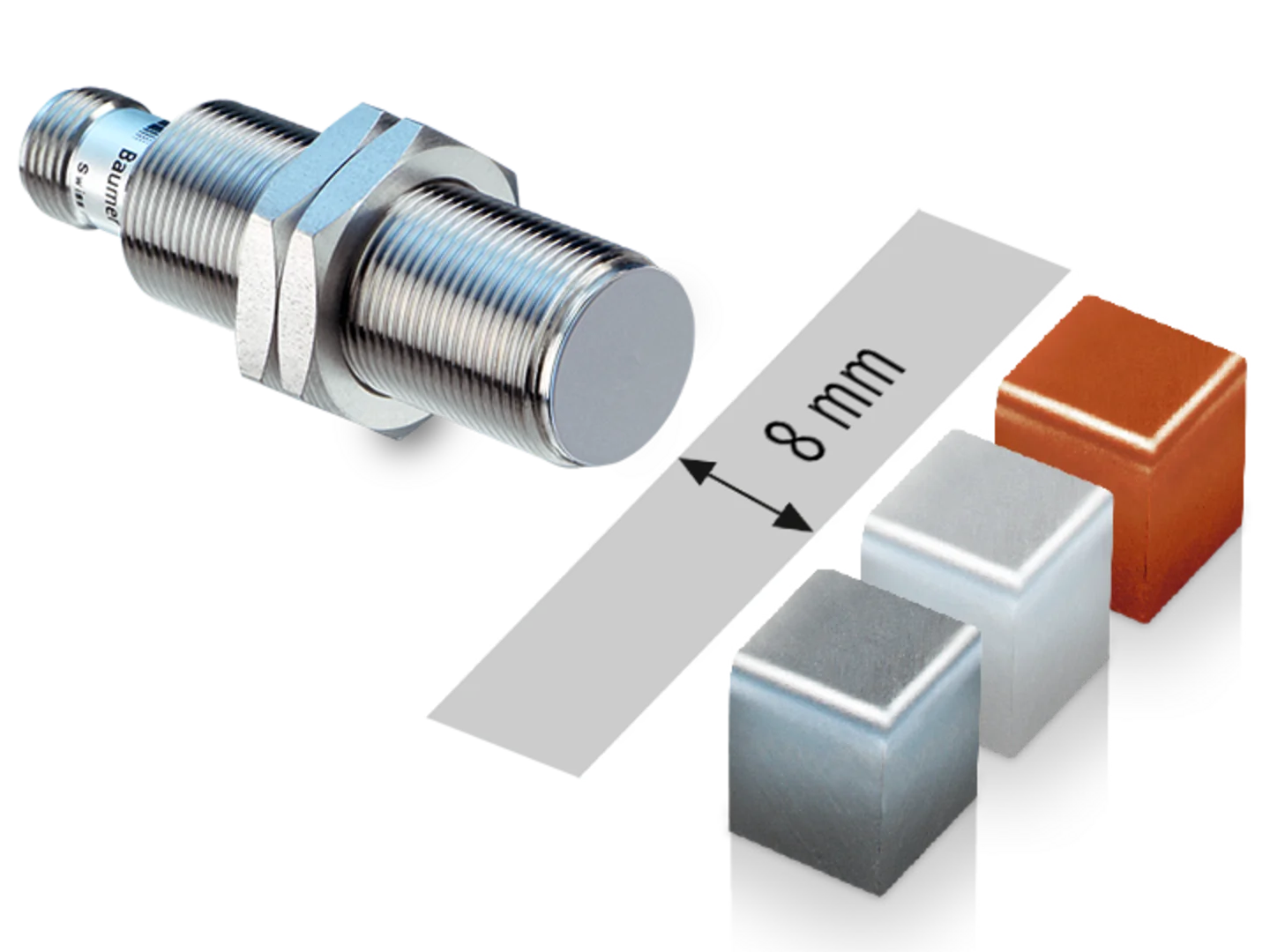
Typically, the achievable range is scaled to sensor size. The Baumer AlphaProx sensors feature measuring ranges from 0.8 (Ø 4 mm) to 24 mm (M30). Important to know, the specified distance generally refers to steel. This results in an increased metal-specific reduction factor - particularly on non-ferrous metals. On aluminum, the achievable distance is approx. 50 % of the specified distance. For maximum distance even on stainless steel or non-ferrous metal in a compact design, inductive distance sensors with factor 1 technology feature the same high measuring distance on any metal.
Which distance sensors feature temperature compensation for outdoor use?
All inductive distance sensors by Baumer characterize by exceptionally low temperature drift by design. Variants with linearized characteristic further feature microcontroller-driven temperature compensation. This ensures maximum reproducibility of the results, even throughout extended temperature range. Another important criterion for outdoor use is durability. While standard variants deliver convincing results, variants especially designed for outdoor use provide that extra bit of reliability.
Downloads
Brochures / Catalogs
-
Factsheet – AlphaProx inductive sensors
-
Flyer – AlphaProx inductive sensors
Technical and Application Reports / White Paper
-
Technical Report - 5 astonishing solutions with precision sensors
-
Technical Report – Inductive sensors: Can do more than expected
-
Technical Report – Effective tool change cleverly designed with inductive miniature sensors